Fillers vs Skin Boosters: Volume vs Texture Improvement in Korea
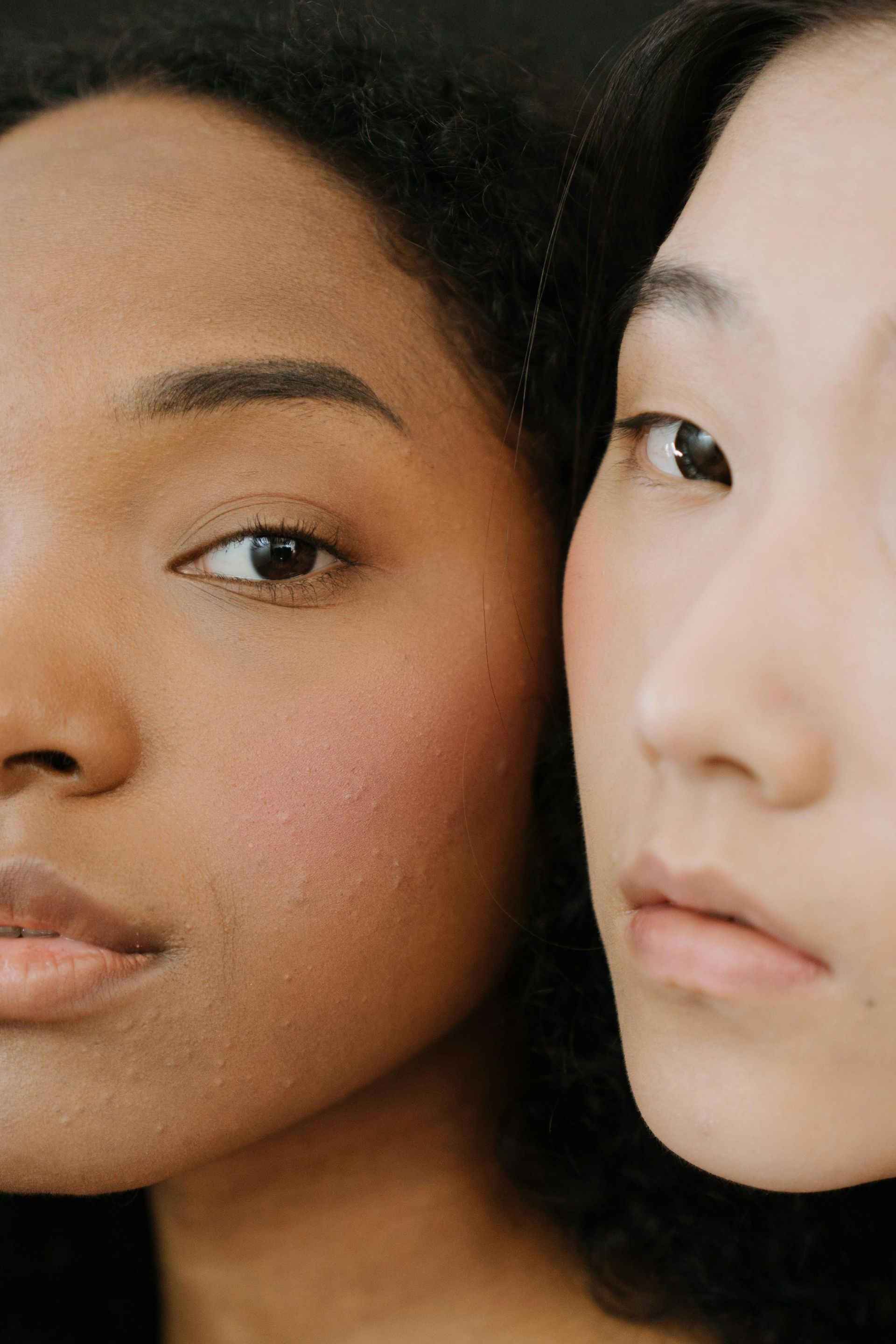
Fillers vs Skin Boosters: Volume vs Texture Improvement in Korea
In Korean aesthetic dermatology, injectables are not just about looking younger — they’re about choosing the right tool for the right skin goal. Two of the most common options are dermal fillers and skin boosters. While both involve injections, they serve very different purposes: volume and structure versus texture and skin quality.
This guide explains the difference clearly, focusing on how fillers and skin boosters are used in Korea for natural, balanced results.
What Are Dermal Fillers?
Dermal fillers are injectable treatments designed to add volume, shape, or structural support to specific areas of the face.
Most fillers used in Korea are based on hyaluronic acid, though collagen-stimulating fillers are also common. Fillers physically lift or contour the face by occupying space beneath the skin.
Fillers are typically used to:
- Restore lost volume in cheeks or temples
- Enhance facial contours such as the chin or jawline
- Improve facial balance and proportions
- Soften deep folds like nasolabial lines
Fillers work immediately and are often chosen when a visible change in shape or structure is desired.
What Are Skin Boosters?
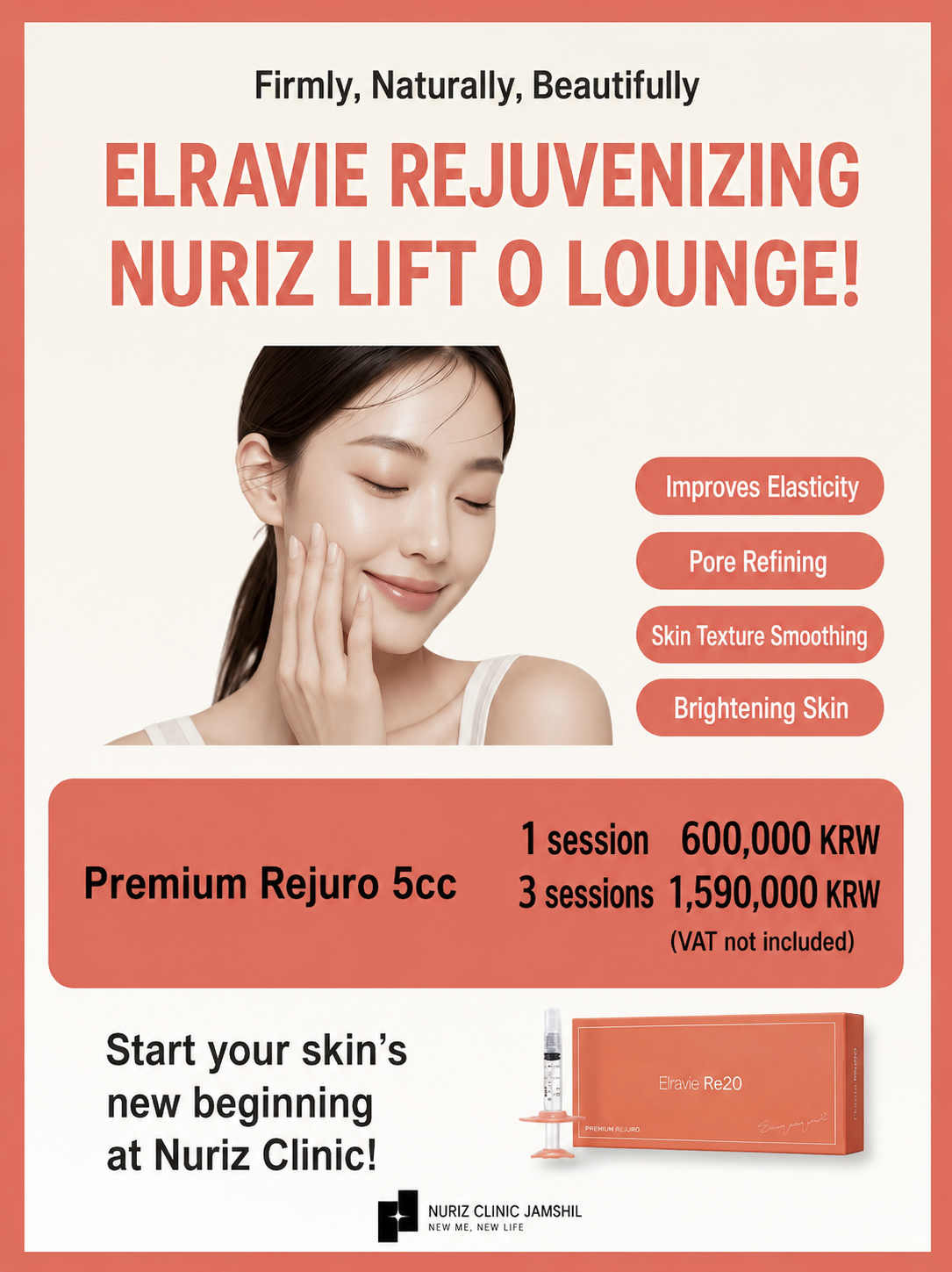
Skin boosters are injectables focused on improving skin quality rather than facial shape. They are injected more superficially and spread evenly across the skin.
Depending on the formulation, skin boosters may deliver:
- Hyaluronic acid for hydration
- Repair-focused ingredients like PN or PDRN
- Collagen-stimulating compounds
- Vitamins and antioxidants
Skin boosters are typically used to:
- Improve skin texture and smoothness
- Increase hydration and glow
- Reduce fine lines caused by dryness
- Strengthen the skin barrier
In Korea, skin boosters are often described as “skin quality treatments” rather than cosmetic shaping procedures.
Core Difference: Volume vs Texture
The biggest difference lies in what changes after treatment.
Fillers change the shape and contours of the face. They are structural and three-dimensional, meaning you can clearly see where volume has been added.
Skin boosters change the condition of the skin itself. They improve how the skin looks and feels — smoother, brighter, and healthier — without altering facial shape.
In simple terms:
- Fillers reshape
- Skin boosters refine
When Fillers Are the Better Choice
Fillers may be more appropriate if:
- You notice volume loss or sagging
- Facial contours look flat or uneven
- You want a visible lifting or shaping effect
- Deep folds or hollows are present
In Korea, fillers are commonly used conservatively to maintain natural facial balance, avoiding overcorrection.
When Skin Boosters Are the Better Choice
Skin boosters may be the better option if:
- Skin looks dull, dry, or tired
- Texture feels rough or uneven
- Fine lines appear due to dehydration
- You want subtle, natural improvement
Skin boosters are especially popular in Korea for patients who want to look refreshed rather than “done.”
Can Fillers and Skin Boosters Be Combined?
Yes — and in Korea, they often are.
A common approach is:
- Using fillers selectively for structural support
- Using skin boosters across the face for texture, hydration, and glow
This combination allows for balanced rejuvenation, addressing both the foundation of the face and the surface of the skin.
Downtime and Treatment Experience in Korea
Both treatments generally involve:
- Mild swelling or redness for a few days
- Minimal disruption to daily life
- Gradual improvement for skin boosters
- Immediate contour change for fillers
Skin boosters usually require multiple sessions, while fillers often need fewer treatments with longer-lasting effects.
Final Thoughts: Fillers vs Skin Boosters in Korea
Fillers and skin boosters are not competing treatments — they solve different problems.
Fillers focus on volume, structure, and contour.
Skin boosters focus on texture, hydration, and skin health.
Understanding whether your concern is shape or skin quality is the key to choosing the right option. In Korean clinics, the most natural results often come from using each treatment where it works best.