Rejuran vs Juvelook: Skin Regeneration Compared in Korea
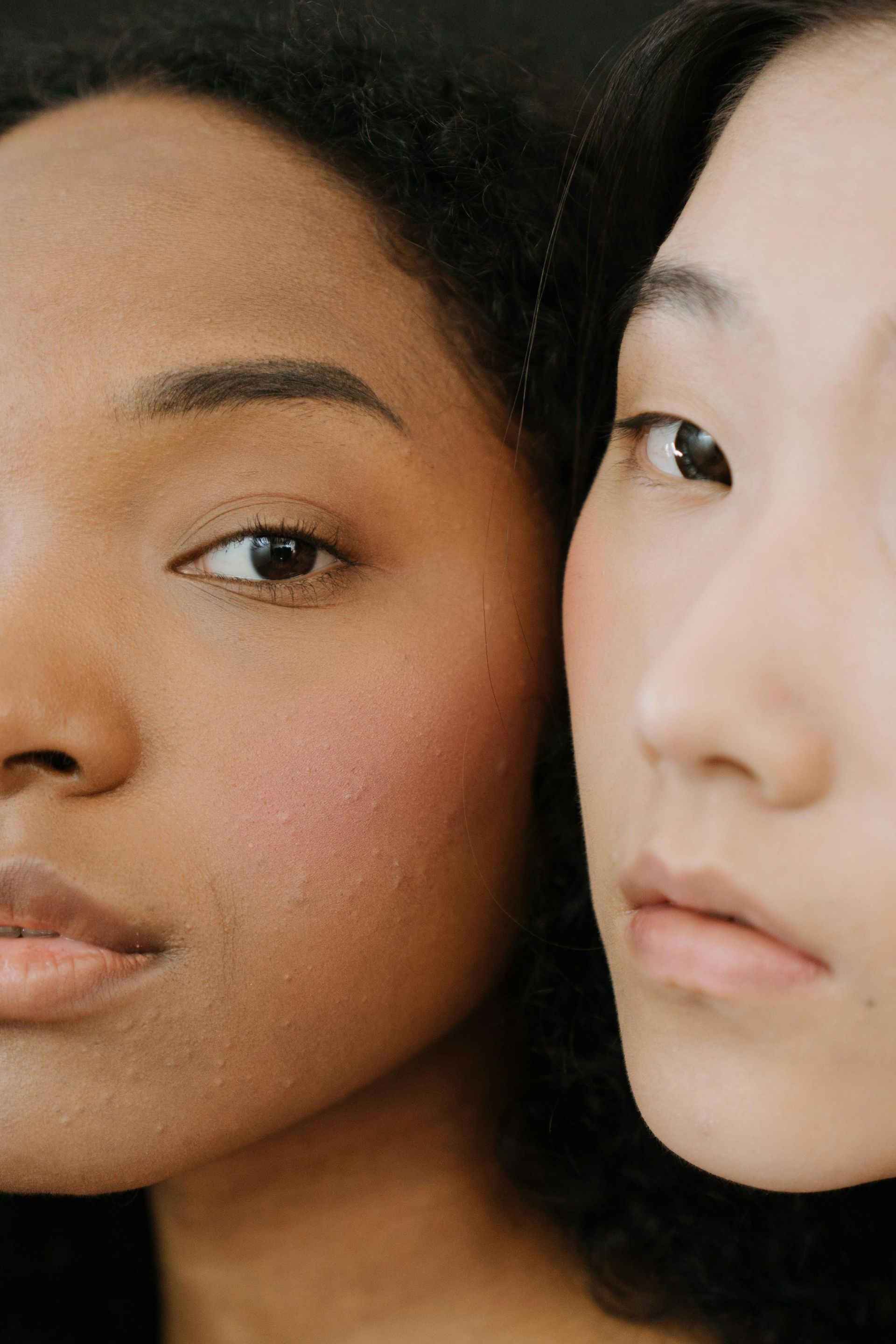
Skin regeneration treatments in Korea go far beyond simple hydration or glow. Two of the most talked-about options are Rejuran and Juvelook—both injectable treatments designed to improve skin quality from within, but through very different biological mechanisms.
This guide breaks down how Rejuran and Juvelook work, who each treatment is best for, and how they are commonly used in Korean skin clinics, written in a clear, SEO-friendly style for international patients.
What Is Rejuran?
Rejuran is a PN (polynucleotide) skin booster derived from salmon DNA. Its primary role is skin healing and repair rather than volume or contouring.
How Rejuran works
- Stimulates cell regeneration and tissue repair
- Improves skin barrier strength
- Reduces inflammation and redness
- Enhances overall skin resilience
Common skin concerns treated
- Damaged or sensitive skin
- Acne scars and post-procedure recovery
- Fine lines caused by weakened skin structure
- Thinning or fragile skin
Rejuran is widely used in Korea as a “skin recovery injection”, especially after lasers or aggressive treatments.
What Is Juvelook?
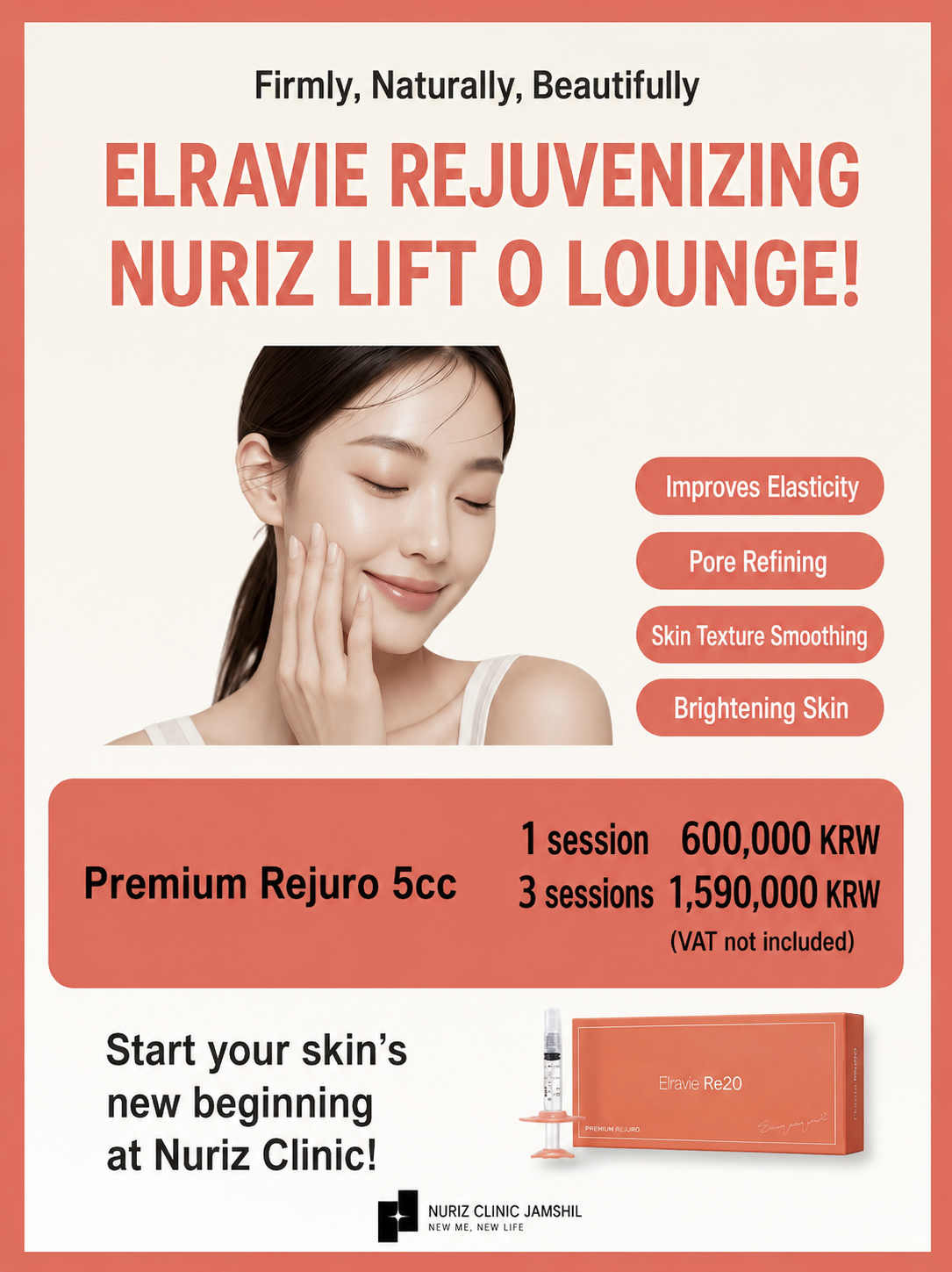
Juvelook is a collagen-stimulating injectable made with PDLLA (poly-D,L-lactic acid) microspheres combined with hyaluronic acid. It focuses on long-term collagen production rather than direct repair.
How Juvelook works
- Triggers gradual collagen synthesis
- Improves skin density and firmness
- Refines pores and texture
- Creates subtle volume without a filler look
Common skin concerns treated
- Enlarged pores
- Loss of elasticity
- Early sagging
- Uneven texture and fine lines
Juvelook is popular in Korea for patients who want structural skin improvement without obvious volume.
Rejuran vs Juvelook: Key Differences
Core purpose
- Rejuran: Skin healing and regeneration
- Juvelook: Collagen stimulation and firmness
Main ingredient
- Rejuran: Polynucleotides (salmon DNA)
- Juvelook: PDLLA + hyaluronic acid
Results timeline
- Rejuran: Gradual improvement over weeks with repeated sessions
- Juvelook: Progressive firming over 1–3 months
Texture & firmness
- Rejuran: Improves skin quality and calmness
- Juvelook: Improves thickness, elasticity, and pore tightness
Downtime
- Rejuran: Mild bumps for 1–3 days
- Juvelook: Slight swelling or firmness for a few days
Which Treatment Is Better for Your Skin?
Choose Rejuran if:
- Skin is sensitive, damaged, or inflamed
- Acne scars or redness are a concern
- Skin feels thin or weakened
- Post-laser recovery is needed
Choose Juvelook if:
- Pores are enlarged
- Skin feels loose or lacks elasticity
- Early aging signs are appearing
- Subtle firmness is desired without fillers
Many Korean clinics combine Rejuran and Juvelook in staged treatment plans, using Rejuran for repair first, followed by Juvelook for collagen reinforcement.
Treatment Approach in Korea
In Korea, both treatments are:
- Performed by experienced dermatology professionals
- Often customized by skin zone (cheeks, pores, under-eye, jawline)
- Combined with lasers, RF, or skin boosters for enhanced results
Treatment plans usually involve 2–4 sessions, spaced several weeks apart.
Final Thoughts: Rejuran vs Juvelook in Korea
Rejuran and Juvelook are not competitors—they serve different roles in skin regeneration.
- Rejuran focuses on healing and skin health
- Juvelook focuses on collagen structure and firmness
Understanding your skin’s condition and long-term goals is key to choosing the right option. In Korea, these treatments are often strategically combined for natural, progressive, and medically driven skin improvement.