Mole & Wart Removal in Jamsil Seoul
NEWRIZZ Skin Clinic Jamsil
NEWRIZZ Skin Clinic Jamsil Seoul |
Global Experts in Mole & Wart Removal
What Moles and Warts Are
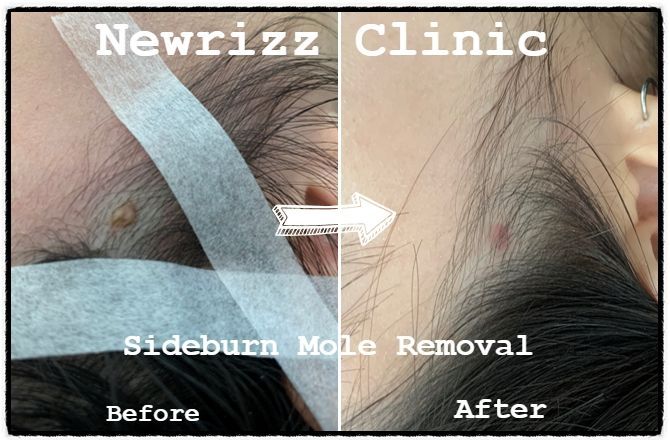
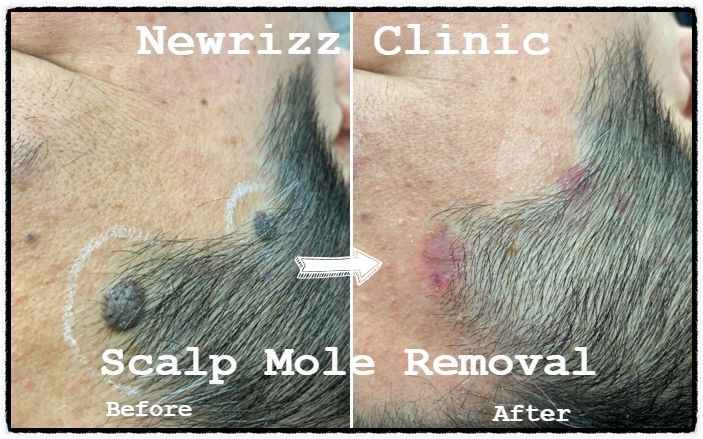
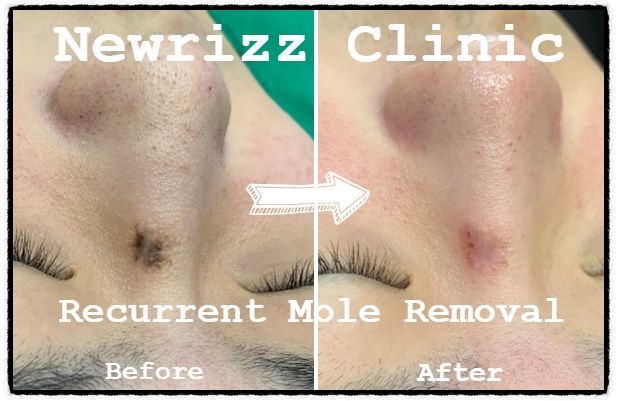
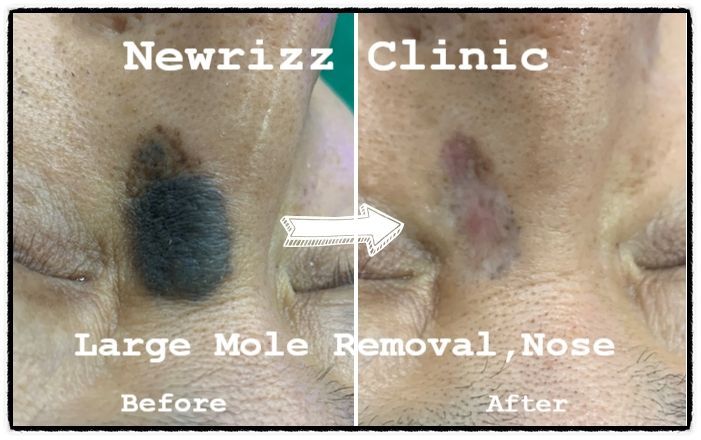
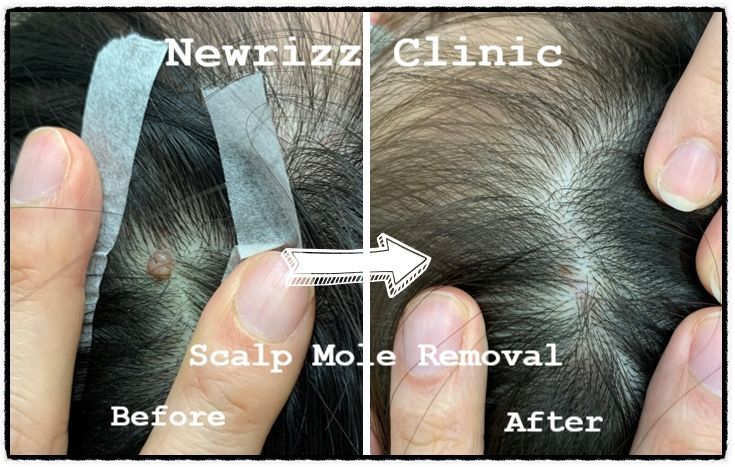
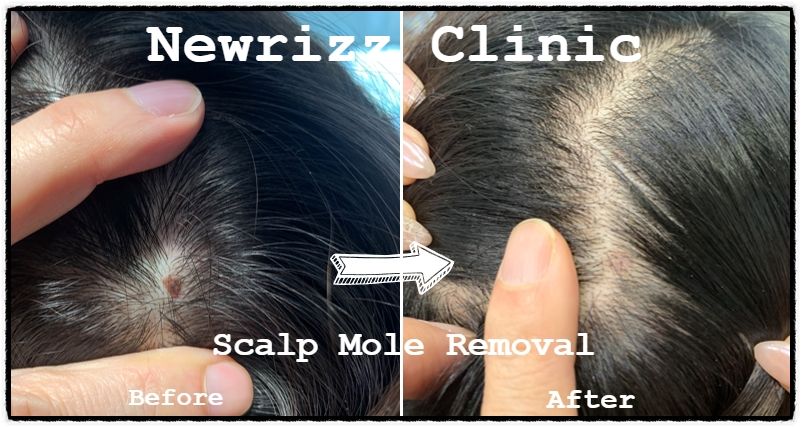
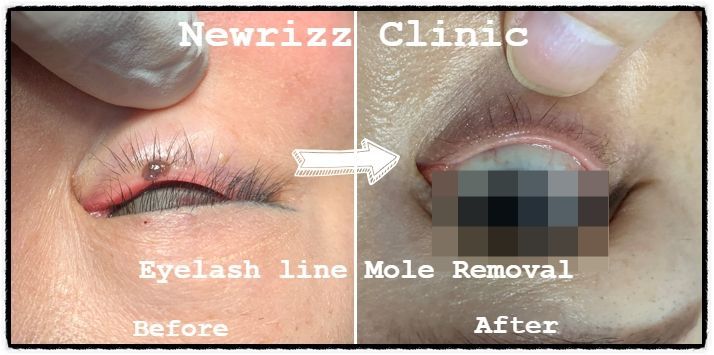
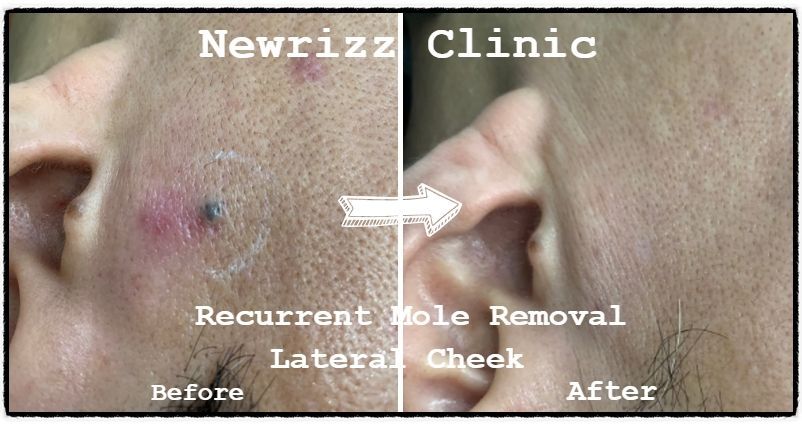
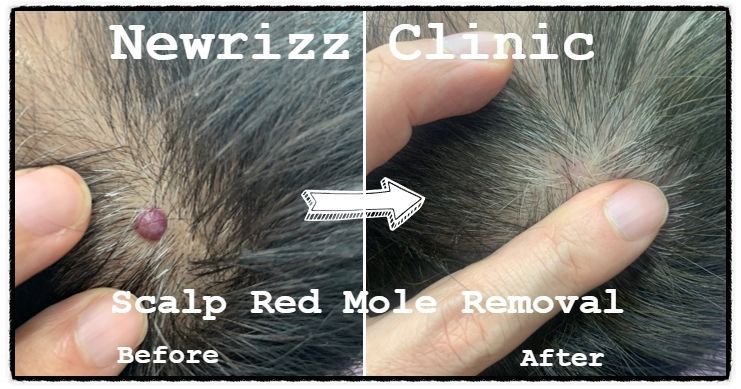
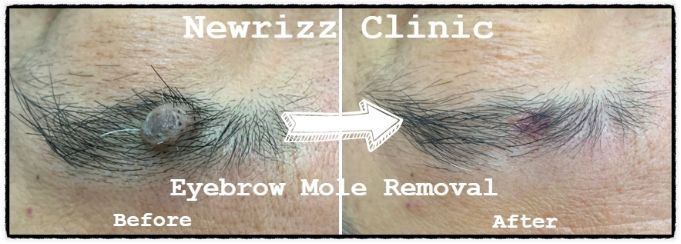
Moles are common benign pigmented skin lesions that can be flat or raised and vary in size and color. They’re usually harmless, but some people choose removal for cosmetic reasons or if a mole changes over time.
Warts are non-cancerous growths caused by the human papillomavirus (HPV). They can appear on hands, feet, face, or other areas of the body and sometimes cause discomfort, irritation, or cosmetic concern.
Common Methods for Mole Removal
Dermatology practices in Seoul use several professional methods depending on the type, size, depth, and location of the mole:
CO₂ Laser Mole Removal
A high-precision laser vaporizes the mole tissue layer by layer. It’s often used for benign, superficial, or flat moles and helps minimize bleeding and surrounding skin damage.
Electrocautery
Uses heat to remove the mole by burning it off. This can be effective for raised or textured moles and is often quick.
Surgical Excision
The mole is cut out with a scalpel under local anesthesia. This method may be chosen if the mole is deeper, larger, or suspected to require biopsy for safety.
Diagnostic Consideration
Sometimes a dermoscopic exam and biopsy are done beforehand if there’s any concern about malignancy or atypical features.
How Wart Removal Is Typically Done
Professionals select the method based on the wart’s type, size, and location:
Cryotherapy (Freezing)
Liquid nitrogen freezes the wart tissue, causing it to break down and fall off over a short period. This is one of the most common methods.
CO₂ Laser
Laser energy is used to precisely ablate the wart tissue. This can be helpful for stubborn or thick warts, with careful depth control to protect surrounding skin.
Electrocautery / Surgical Removal
Heat or a small instrument physically removes the wart. Local anesthesia is typically used for comfort, and healing follows within days.
Topical or Adjunctive Treatments
Sometimes prescribed creams or medications are used on flat or thin warts, often in combination with in-office procedures.
What Happens During Treatment
Consultation & Assessment:
A professional evaluates whether the lesion is a mole, wart, or another type of skin growth, and confirms it’s appropriate for removal.
Preparation:
Local numbing (cream or injection) is typically used so you remain comfortable.
Procedure:
Removal is usually
quick (minutes to tens of minutes) per lesion, depending on technique and number of spots.
Completion:
Treated areas are cleaned and protected. Aftercare instructions are provided to support healing and minimize pigmentation or scarring.
Healing & Aftercare
- Downtime: Typically minimal — you can often return to normal activities the same day or soon after.
- Healing: A small scab may form and fall off naturally over ~1–2 weeks, revealing smoother skin beneath.
- Sun Protection: Daily sunscreen over treated areas helps reduce the risk of pigment changes.
- Care: Avoid picking at scabs, and follow any specific wound care advice to support optimal results.
Things to Know
Safety First:
Before removing a mole, it’s important to confirm it’s benign. Suspicious or changing moles may require more careful evaluation before treatment.
Multiple Sessions:
Some warts or deeper lesions may need more than one treatment, especially if they are large or persistent.
Varied Techniques:
The ideal removal method can differ based on the skin lesion’s characteristics — superficial vs deep, size, and location.
Summary — Mole & Wart Removal in Seoul
In Seoul, dermatology practices offer a range of
professional, safe removal methods for moles and warts, including laser, electrocautery, cryotherapy, and surgical excision. Treatments are typically tailored to each lesion’s type and depth, with careful evaluation to ensure safety and good cosmetic outcomes. Healing is usually straightforward, and ongoing sun protection and wound care help support the best results.