Korean Botox vs U.S. Botox: Safety, Longevity, and Cost Compared
Botox is one of the most widely performed aesthetic treatments in the world, but Korean Botox and U.S. Botox differ in philosophy, treatment style, pricing, and expected results. If you’re deciding where—or how—you want your Botox done, this guide breaks down the key differences clearly and simply.
What Makes Korean Botox and U.S. Botox Different?
Although both use botulinum toxin type A, the biggest differences come from how Botox is used, not just the product itself. Korea focuses on subtle enhancement and prevention, while the U.S. tends to prioritize stronger wrinkle reduction and longer-lasting results.
Safety: Is Korean Botox as Safe as U.S. Botox?
Korean Botox safety
- Approved and regulated by Korean health authorities
- Used extensively in dermatology and plastic surgery clinics
- Typically injected in smaller doses
- Emphasis on natural muscle movement and facial harmony
U.S. Botox safety
- FDA-approved products with strict clinical standards
- Higher average dosage per treatment area
- Long-established clinical history in Western medicine
Safety conclusion
Both Korean and U.S. Botox are considered safe when performed by experienced medical professionals. Injector expertise, anatomy knowledge, and proper dosing matter far more than the country of origin.
Longevity: How Long Does Botox Last?
Korean Botox generally lasts a shorter time because it is injected in lighter doses. Results often remain visible for about two to four months, making it ideal for patients who want natural expressions and are comfortable with regular maintenance.
U.S. Botox typically lasts three to six months, as treatments usually involve higher dosing and stronger muscle relaxation. This appeals to patients who want fewer visits and more dramatic wrinkle smoothing.
Longevity depends on muscle strength, metabolism, injection technique, and lifestyle—regardless of location.
Cost: Korean Botox vs U.S. Botox
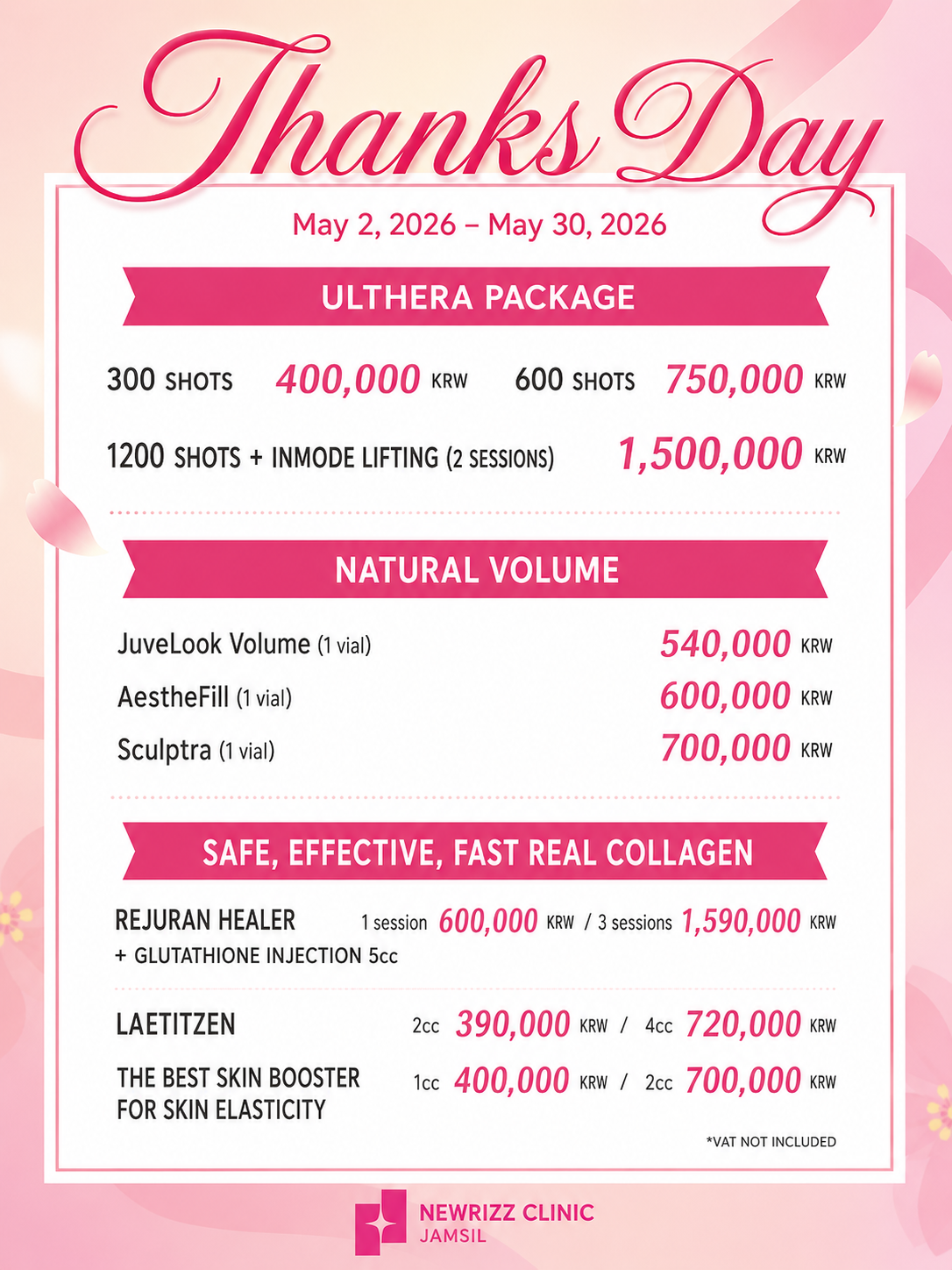
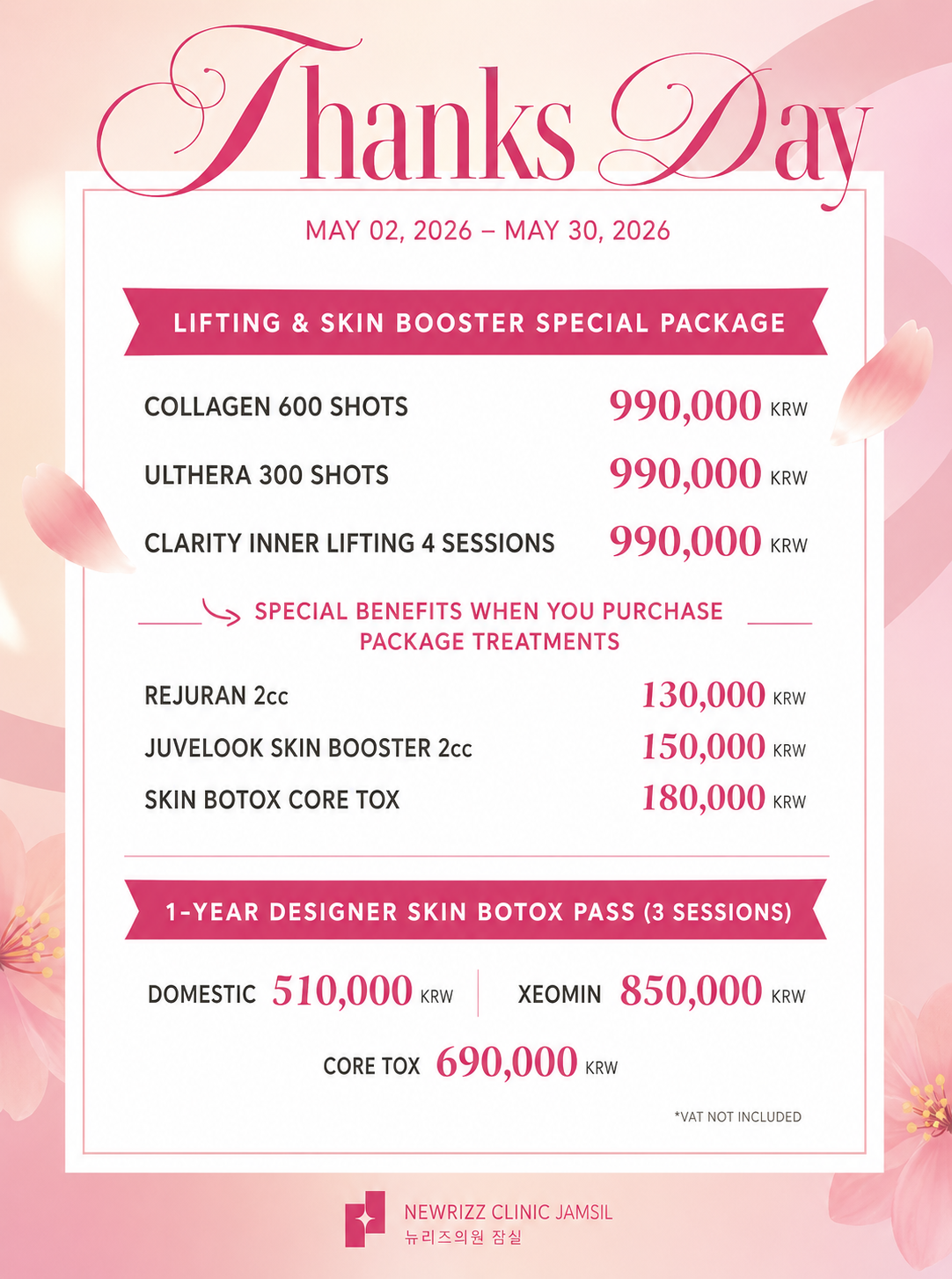
Korean Botox is significantly more affordable due to high treatment volume, competitive pricing, and streamlined clinic operations. Treatments are often priced per area or unit, making it accessible for preventive and maintenance care.
U.S. Botox is considerably more expensive, reflecting higher clinic overhead, labor costs, and per-unit pricing models. While results may last longer, the upfront cost is usually much higher.
Overall, many patients find Korean Botox to be 40–70% cheaper than comparable treatments in the U.S.
Treatment Style Differences
Korean Botox style
- Preventive and maintenance-focused
- Micro-dosing techniques
- Soft wrinkle reduction without a “frozen” look
- Popular for jaw slimming, skin Botox, and facial balance
U.S. Botox style
- Corrective and result-driven
- Strong wrinkle smoothing
- Firmer muscle immobilization
- Commonly used for deep forehead lines and frown lines
Which Botox Is Right for You?
Korean Botox may be a better fit if you prefer:
- Natural facial expressions
- Subtle, refreshed results
- Lower treatment costs
- Preventive anti-aging care
U.S. Botox may suit you better if you want:
- Longer-lasting results
- Strong wrinkle reduction
- Fewer follow-up visits
- More noticeable correction
Final Takeaway
Korean Botox and U.S. Botox are both effective, safe, and widely trusted—but they reflect different beauty philosophies. Korea emphasizes natural movement and affordability, while the U.S. focuses on longevity and stronger correction.
The best choice depends on your personal goals, budget, and preferred aesthetic—not simply where the Botox is made.