How to avoid “factory clinics” in Korea
How to Avoid “Factory Clinics” in Korea
Korea is globally known for advanced cosmetic dermatology and affordable skin treatments. However, not all clinics operate the same way. One growing concern among foreigners is the rise of so-called “factory clinics.” These clinics focus on speed and volume rather than individualized care, which can increase safety risks and lead to disappointing results.
This guide explains what factory clinics are, why foreigners should be cautious, and how to choose safer alternatives in Korea.
What Is a Factory Clinic?
A factory clinic is a high-volume cosmetic clinic designed to treat as many patients as possible each day. These clinics often rely on:
- Short consultations
- Standardized treatment packages
- Assembly-line style patient flow
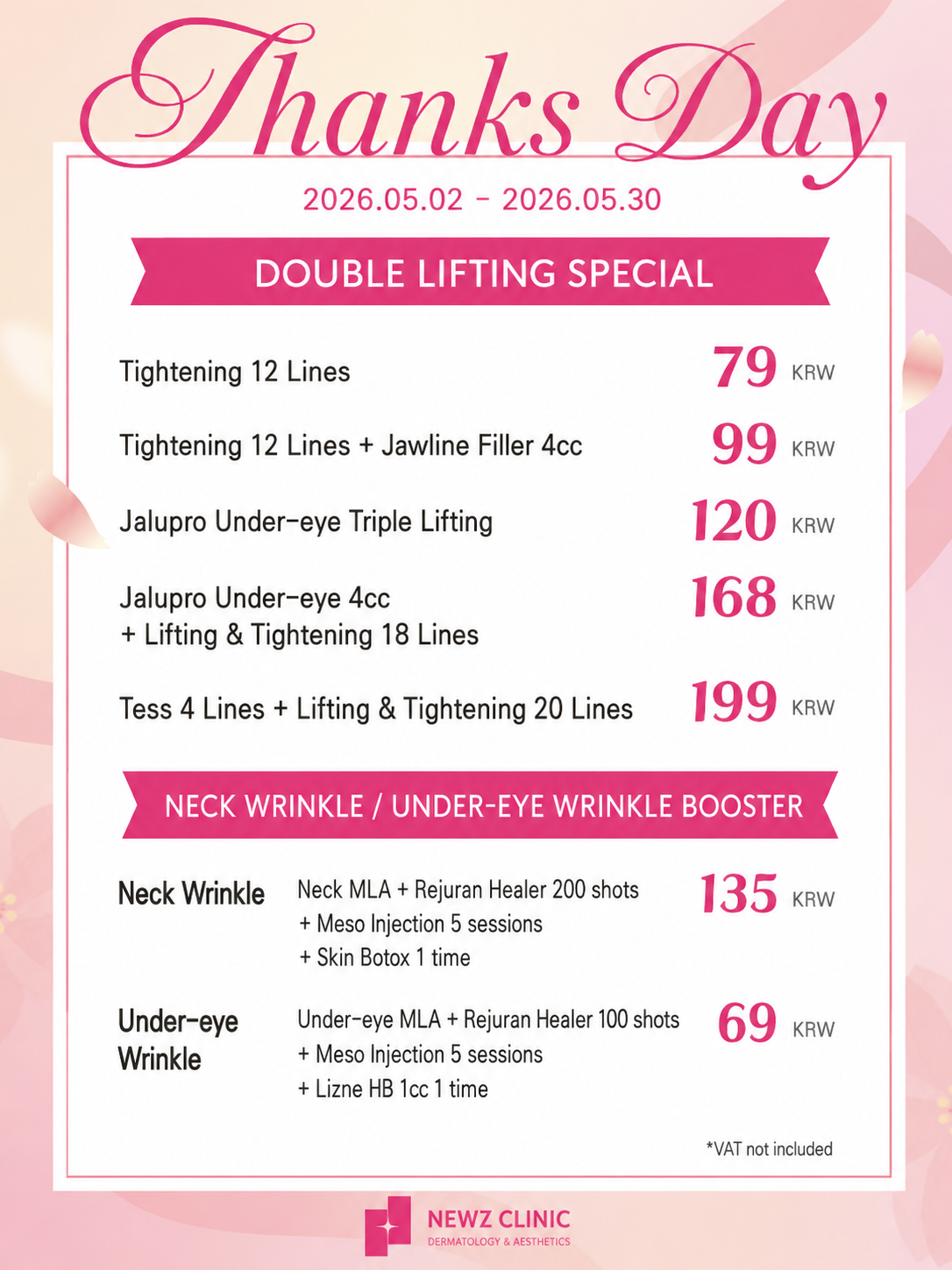
- Heavy discounts and flash promotions
While not all factory clinics are unsafe, the model prioritizes quantity over quality, which can be problematic for foreigners unfamiliar with the system.
Why Factory Clinics Can Be Risky for Foreigners
Foreign patients face additional challenges that make factory clinics less suitable.
Limited Personalization
Skin type, facial structure, and medical history may not be properly assessed when consultations last only a few minutes.
Reduced Doctor Involvement
In some factory clinics:
- Doctors appear briefly or only approve plans
- Nurses or assistants handle most procedures
This is especially risky for injectables and energy-based treatments.
Weak Communication
Language barriers combined with rushed schedules increase the chance of misunderstanding dosage, expectations, or aftercare.
Minimal Aftercare
High-volume clinics often lack structured follow-up, which is critical if complications appear after treatment.
Common Signs of a Factory Clinic
Be cautious if you notice several of the following:
- Extremely low prices promoted aggressively
- Long waiting areas filled with back-to-back patients
- One consultation room serving many people rapidly
- Treatment plans decided before skin analysis
- Pressure to buy multi-session packages immediately
- No clear explanation of products, devices, or risks
Individually, these may not be deal-breakers, but together they indicate a factory-style setup.
Treatments That Require Extra Caution at Factory Clinics
Foreigners should be especially careful with:
- Botox and dermal fillers
- RF, ultrasound, and laser-based treatments
- Chemical peels and resurfacing procedures
- Skin boosters and injectable cocktails
These treatments depend heavily on provider skill, customization, and conservative dosing, which factory clinics may not prioritize.
How to Choose a Safer Alternative in Korea
To avoid factory clinics, look for clinics that emphasize quality over speed.
What to Look For
- Appointment-based scheduling rather than walk-in crowds
- A consultation that includes skin analysis and medical questions
- Doctors directly performing injectables and key procedures
- Transparent pricing without forced packages
- Clear explanations of treatment options and risks
Questions Worth Asking
- Who performs the procedure?
- How long is the consultation?
- What product or device will be used?
- Is follow-up care available if problems occur?
Clinics willing to answer clearly are usually more patient-centered.
Boutique Clinics vs Factory Clinics
Boutique-style clinics typically offer:
- Fewer patients per day
- Longer consultations
- Customized treatment plans
- Stronger communication with foreign patients
While prices may be slightly higher, the difference often reflects time, expertise, and safety rather than luxury.
Final Advice for Foreign Patients
Avoiding factory clinics in Korea does not mean avoiding affordable care. Many clinics offer fair pricing without sacrificing safety. The key is choosing clinics that value medical judgment, customization, and communication, not just speed.
For foreigners, the safest approach is to prioritize:
- Doctor involvement
- Transparent explanations
- Reasonable patient volume